

Study game development through structured materials, scene examples, character logic, object interaction, and practical planning tasks.
Shop now
-
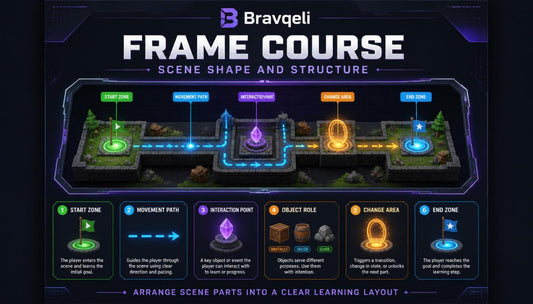
Frame Course
Regular price €177,00 EURRegular price -
Vertex Guide
Regular price €195,00 EURRegular price -
Luma Bundle
Regular price €205,00 EURRegular price -
Nexus Series
Regular price €220,00 EURRegular price -
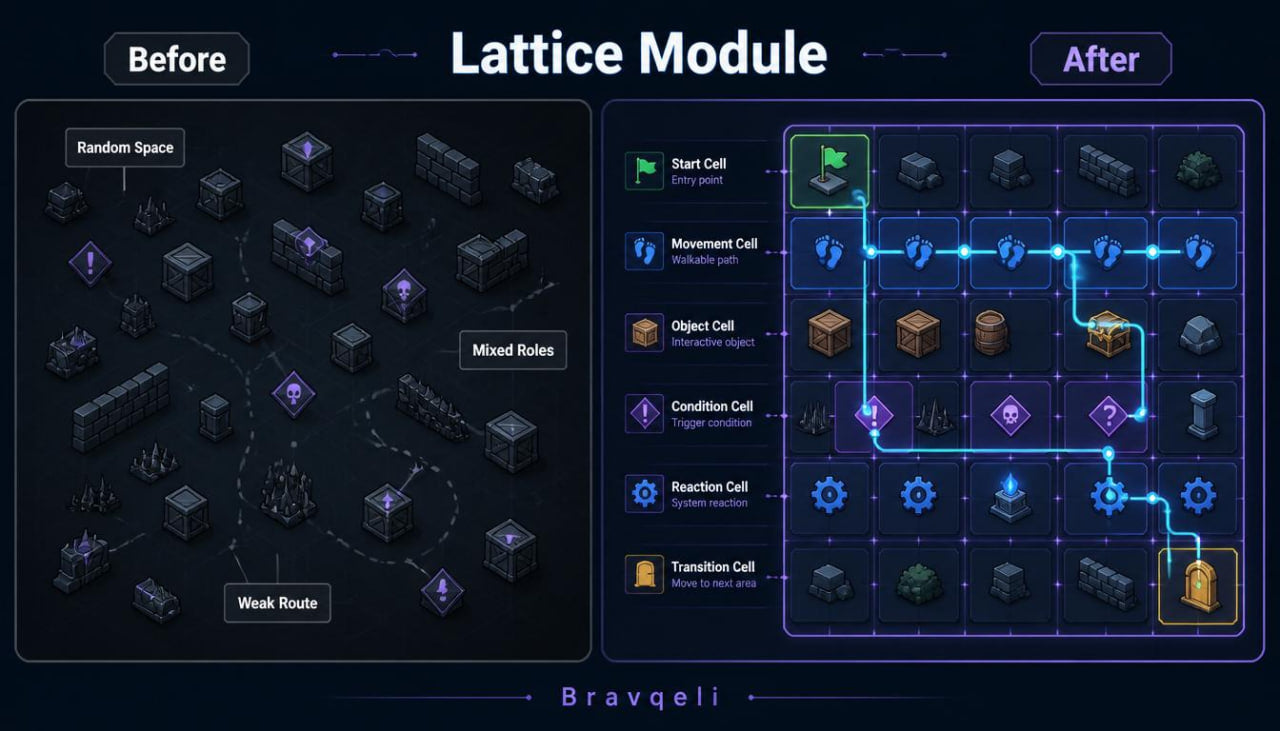
Lattice Module
Regular price €251,00 EURRegular price -
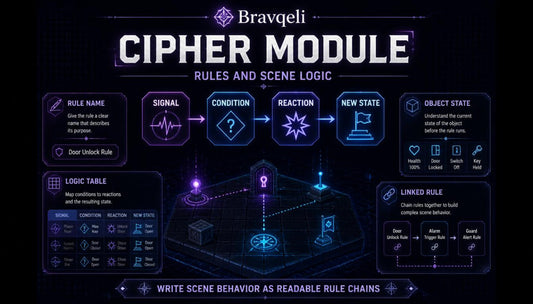
Cipher Module
Regular price €301,00 EURRegular price -
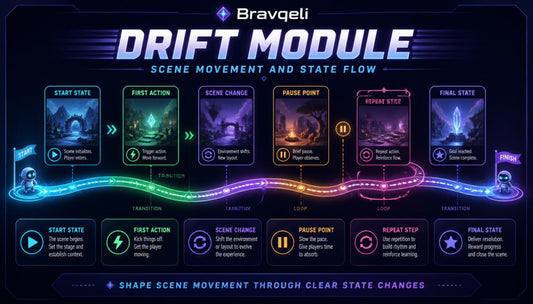
Drift Module
Regular price €487,00 EURRegular price





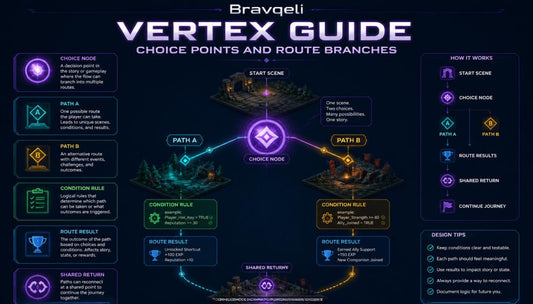

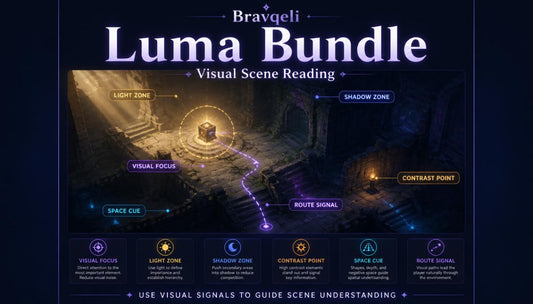

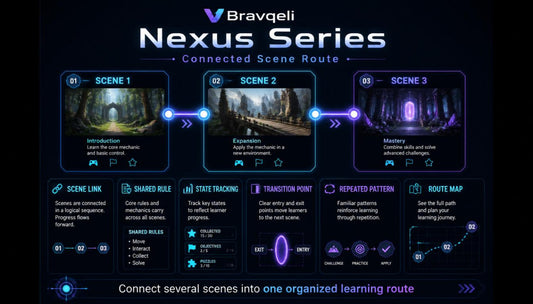

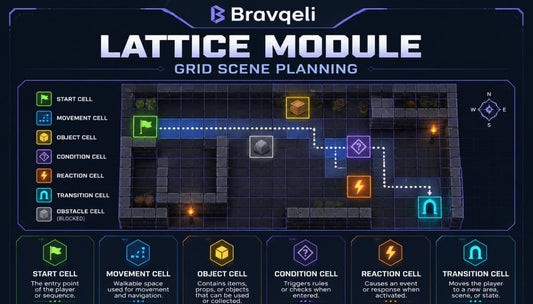


Bravqeli Began With Notes Beside a Blank Screen
Learning Without Noise: Content, Examples, and Practice
-

Step-by-step
Each topic is divided into modules so the learner can see the order between scene, action, and change.
-

Practical Tasks
The tasks are built around small game scenes that can be reviewed, written down, and repeated.
-

Scene Logic
The materials explain how characters, objects, rules, and states work together
in a learning example. -

Offline Study
The courses can be downloaded and studied at a comfortable pace without a constant internet connection.


Take a Free Starter Set
People Who Like Order in Complex Ideas
-

Maxwell Salinas
Game Scene Designer
Brennan plans small playable spaces for learning projects. He focuses on routes, object placement, and scene clarity. His work helps each task feel organized and readable. -

Keir Hood
Level Layout Artist
Darian creates structured layouts for training scenes. He works with paths, zones, obstacles, and markers. His layouts support clear movement
through each activity. -

Mike Long
Interaction Systems Designer
Everett designs how objects respond to player actions. He builds tables for conditions, reactions, and states. His work keeps interaction examples
tidy and consistent.


30-days refund guarantee
As Seen On


Look Inside the Course Structure
Stories From Learners Through Examples
-

Kiana Bright
Kiana came with an interest in characters and simple game tasks, but she did not know how to connect movement, objects, and conditions in one example. The interaction sequence was useful for her because the materials explain action, check, reaction, and new state in a clear order.
“The examples made interaction logic easier to write down before adding more details.” -

Travis Hammond
Travis came to Bravqeli with an idea for a small adventure game, but he found it difficult to divide the concept into a scene, character, action, and condition. The material structure was useful for him because each example showed how one character action connects with an object and a scene change.
“The scene tables helped me slow down and organize my first game idea into clear parts.”


We Turn Code Into a Readable Game Path
Learn On All Device


